

As the horrors of Syria’s war continue to escalate, world leaders have called for a cease-fire. Efforts by the United States and other world leaders to help Syria reach an amicable political agreement since 2016 have failed to substantially reduce the dozen humanitarian laws characterized by the Syrian civil war. According to statistics produced by Syrian Center for Policy Research, as of 2016 Syrian civil war has resulted in a death toll of 470,000. If you aren’t sure exactly sure what is happening in Syria, then read on to stay updated.
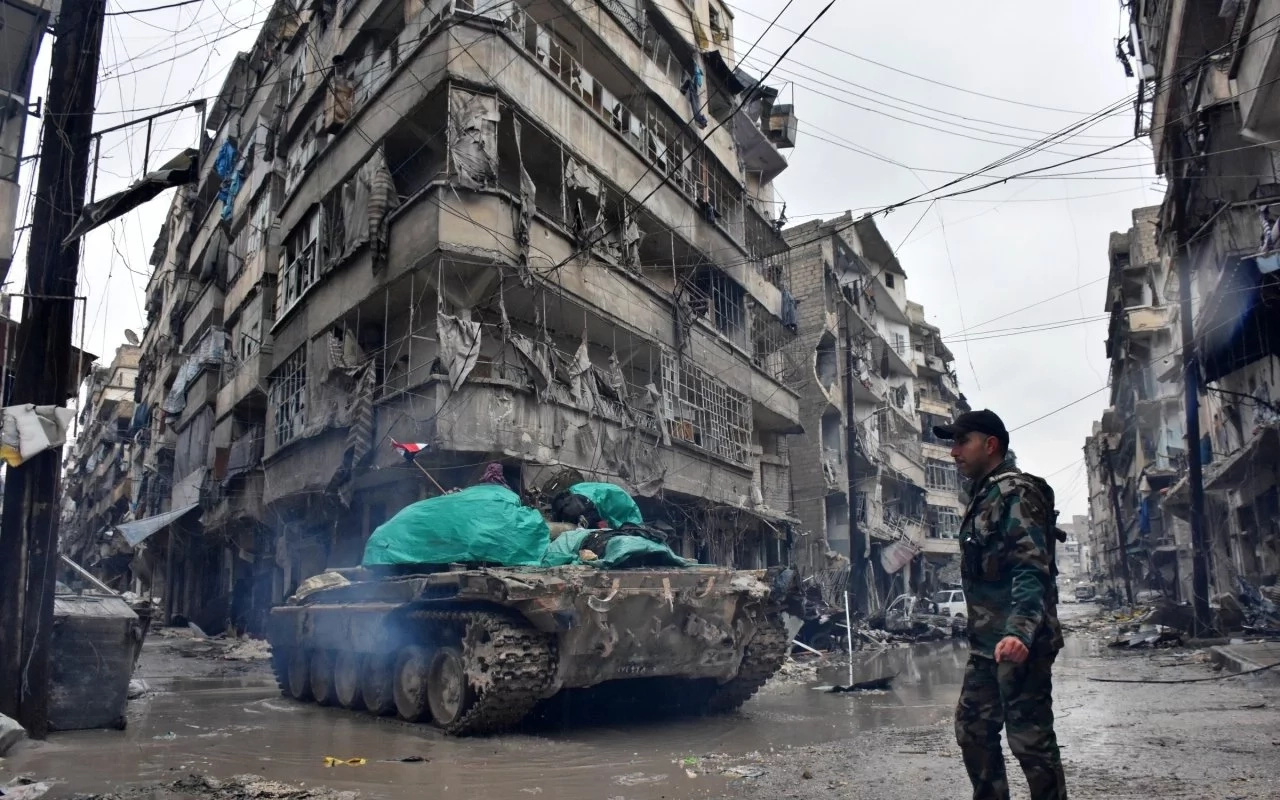
What is happening in Syria?
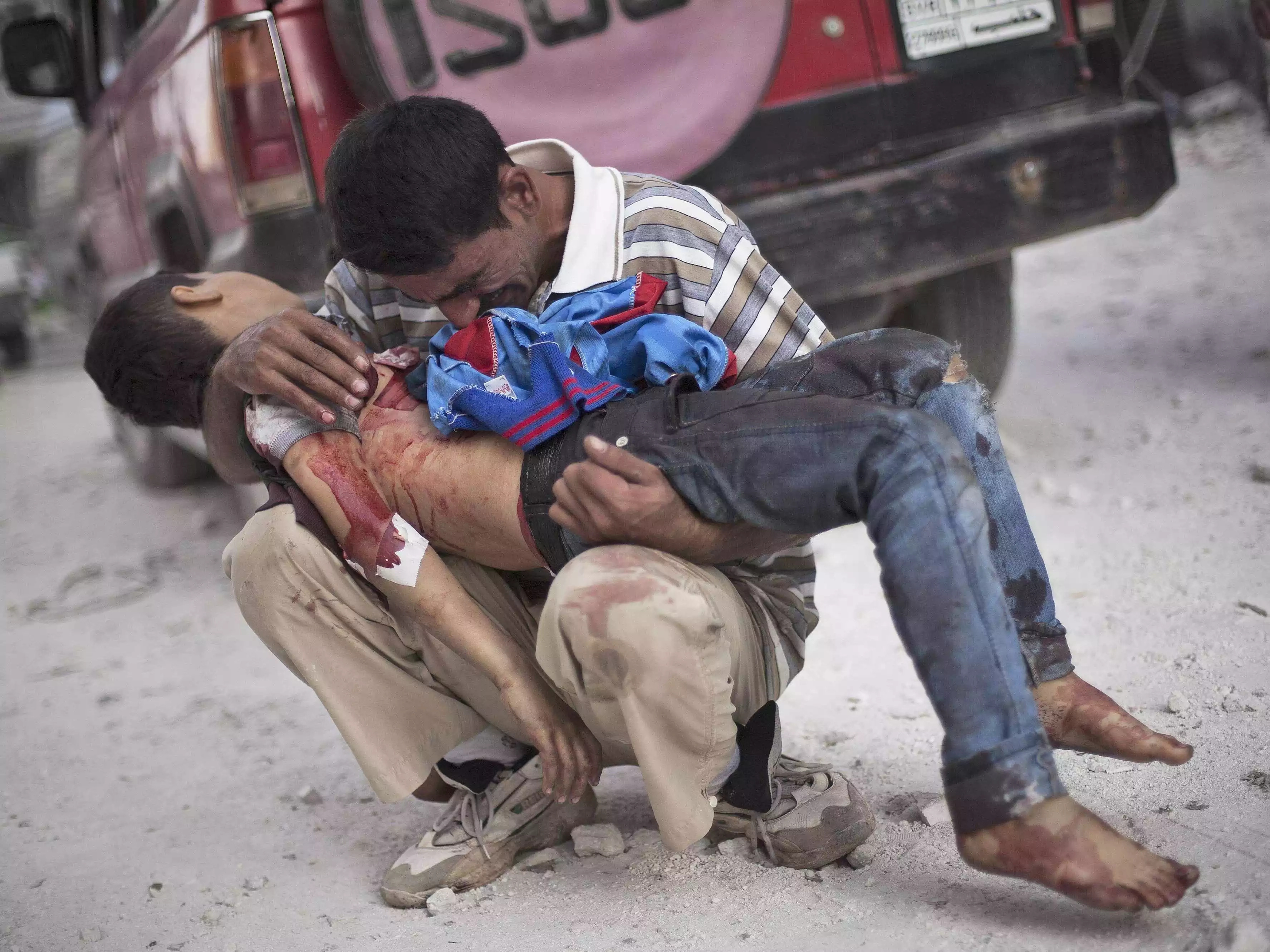
Over 6.1 million Syrian citizens are internally displaced, and another 4.8 million are seeking asylum in neighboring countries. Most of these refugees have to travel by foot for long distances in hostile condition to seek refuge.
After one of the bloodiest week ever seen on the Syrian war where about 500 civilians were killed, several world leaders have called for a cease-fire. Russian president Vladimir Putin has called for a temporary cease-fire in eastern Ghouta where about 393,000 people are trapped. The temporary daily ceases fire will run from 9 am to 2 pm. Red Cross has said that they have been unable to deliver the needed aid to eastern Ghouta despite claims by Russia that the 30 days cease-fire holds.
The move comes after Putin was accused of supporting the Syrian regime and delaying the UN vote for a 30-day cease-fire. Just last week the Syrian government was accused by the UN of using chlorine gas attack on the same part of eastern Ghouta that was hit in 2013. The Syrian Observatory for Human rights reported that more than 21 civilians displayed symptoms of a chlorine attack. The Syria Russia relationship has always been called in question as Assad has faced multiple accusations of using chemical weapons on civilians.
Syrian regime use of chemical weapons
Since 2013, the Syrian army under the command of President Bashar al-Assad has been accused of using chemical weapons on unarmed civilian more than a dozen times. After investigating the attacks and numerous people appearing in Syrian hospitals with symptoms indicating exposure, the UN confirmed the use poisonous chemicals. In 2012, Foreign Ministry spokesman Jihad Makdissi confirmed that Syria government has chemical weapons, but they don’t intend to use it on Syrian civilians.

Other encounters where Assad is accused of using chemical weapons include April 2017 where a Sarin gas dropped by military aircraft attack killed over 80 people in the rebel-held town of Khan Sheikhoun. Following the Sarin attack, Russian officials and Assad went on to claim that they were not aware there was Sarin gas because they had used military strikes used to destroy the rebel weapons depot.
What started the war on Syria?
After the al-Assad family ruled for 45 years without bringing any favorable changes to the economy and political reforms, many Syrians rose up against the regime in April 2011. It started out as a simple antigovernment peaceful protest encouraged by the Arab spring uprising revolutions in Tunisia and Egypt. After a while, it escalated into a country challenging the removal of a dictatorship.
The government responded with an equal measure of force where most activists were either killed, disappeared or tortured. Tired of the civilians not backing down, Syria army started opening fire on protests. The civilian started shooting back, and the fighting escalated into a civil war.
Russia has a strong relationship with Syria
On numerous occasion, Russia has been called out for supporting the Assad regime and not putting a stop to his merciless killing of unarmed civilians. However, if it’s anything that might hurt the Assad regime, Russia is unwilling to cooperate as Syria is one of its important allies. The Syria bombing is made possible because Russia is the number one supplier of weapons to Syria as well as North Korea.
Syria bombing continues in eastern Ghouta
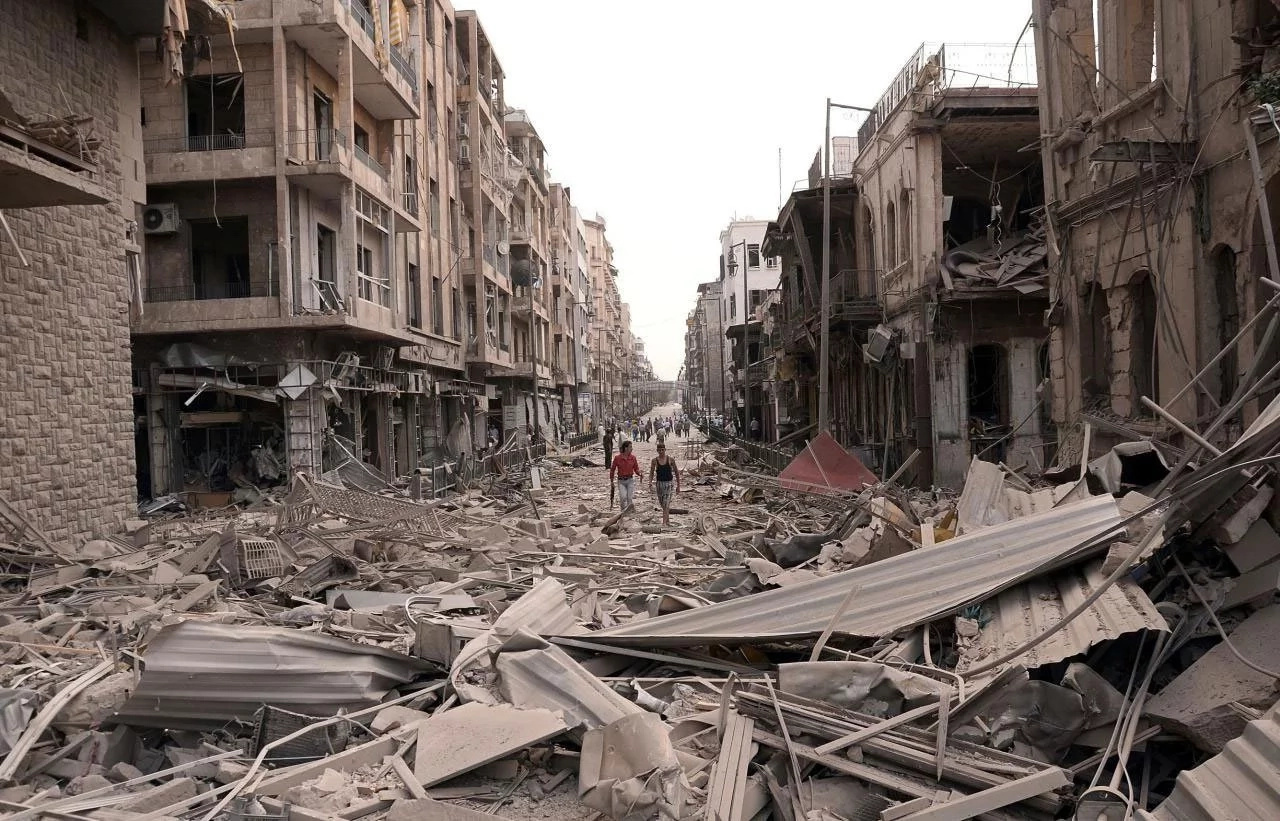
Syria bombing has continued despite Russia president calling for a temporary cease-fire. The temporary ceases fire which was supposed to take effect daily from 9 am to 2 pm to allow the trapped people to go out and for convoys to go in. However, the UN humanitarian spokesperson Jens Laerke confirmed that there is still continuous fighting in Ghouta. The current Syria bombing in eastern Ghouta has been termed by many as the bloodiest in the entire Syrian civil war.
Syrian war with Hezbollah
It is reported by the UN that more than 700 combat fighters have traveled from Somalia to Lebanon to help fight alongside Hezbollah where they are expected to get advance military training. Hezbollah has long been an ally of the Assad family and thus has been involved in the Syria war ever since it started in 2011. Over the years Hezbollah has deployed thousands of fighters in Syria to prevent rebel penetration to Lebanon.
Is Syria at war with Isis? And if so who is in control?
At the moment, Syria map continues to show that Afrin is under the control of Kurdish forces, eastern Ghouta under Syrian government, Damascus is under ISIL control while Idlib is under the control of rebel forces. However, Afrin and eastern Ghouta is still an ongoing conflict zone, so it’s not yet clear on who has the control.
Turkey deploys more special forces
In other news about what is happening in Syria, the Turkish army has sent more troops to help fight against the Kurdish militias in the northern part of Syria. While talking to Turkish Television, Turkish Deputy Prime Minister Bekir Bozdag explained that the sent police special forces are part of the reinforcements in Afrin to help squash the Syrian Kurdish fighters on the border region.
The one-month operation termed Operation Olive Branch was termed as a preparation for the coming battle. While the eastern Ghouta in Syria is part of the UN ceasefire decision, it’s alleged that the cessation doesn’t apply to Afrin which is located south of the Turkish border as well as any groups designated as terrorist organizations including al Qaeda.
More news on Syria is that Russia has deployed new breakout to Syria which is intended to help overpower the ground and air targets that have been eluding radar. The flight tests which began in 2010, were tested in Syria in near combat conditions so as to evaluate their defense and electronic warfare systems.
Currently, on what’s happening in Syria Breakout news is that United Nations Security Council diplomat who was talking to CNN anonymously said that North Korea has been sending supplies that have been helping make ballistic weapons and chemical weapons in Syria. The North Korean missiles experts have been visiting Syria since 2016 and it’s believed that they are still operating in various areas including Hama, Barzeh, and Adra.
 daybreakonline.news.blog